
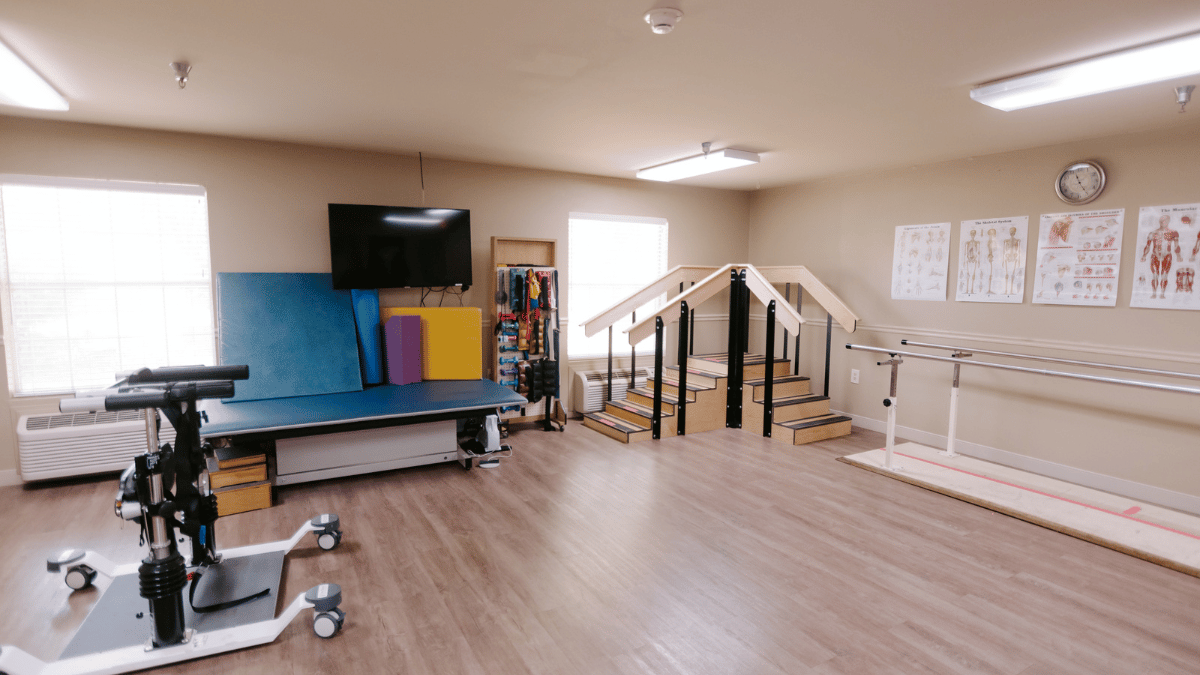
A hospital stay can be an important step toward recovery, but leaving the hospital does not always mean that a person is ready to return immediately to their previous routine. For many older adults, the period following hospitalization is when rehabilitation becomes especially important.
After surgery, illness, injury, or another medical event, an elder may experience changes in strength, balance, mobility, endurance, communication, or the ability to complete everyday activities. Short-term rehabilitation can provide the structured support needed to work toward recovery and, when appropriate, a safe return home.
At Brookridge Cove Rehabilitation and Care Center in Morrilton, Arkansas, rehabilitation is an important part of supporting elders during their recovery journey.
Even a relatively short hospital stay can affect an older adult's physical abilities. Spending extended periods in bed or being less active than usual can contribute to weakness and reduced endurance. That is why rehabilitation often focuses on helping elders rebuild the skills and confidence needed for everyday life.
The goal of therapy is not necessarily to return someone to exactly where they were before an illness or injury. Instead, therapists work with each individual to establish appropriate goals based on their current condition, abilities, and care plan.
Physical therapy commonly focuses on movement, strength, balance, and mobility. For an elder recovering from surgery or illness, physical therapy may involve exercises designed to improve strength and endurance, gait training, balance work, and practice with mobility. These skills can have a direct connection to everyday independence. Being able to safely stand from a chair, walk to the bathroom, navigate a hallway, or get in and out of bed can make a meaningful difference in someone's ability to return home.
Occupational therapy focuses on helping people participate in everyday activities. For older adults recovering from a medical event, this can include practicing activities such as dressing, bathing, grooming, eating, and other daily routines. Occupational therapists may also help identify strategies or adaptive equipment that can make certain activities safer or easier. The emphasis is on helping an individual function as independently and safely as possible within their current abilities.
Speech therapy can address more than speech. For older adults, speech-language pathologists may work on communication, cognition, memory, and swallowing. Following certain illnesses or medical events, an individual may experience difficulty communicating or safely swallowing food and liquids.Therapy can address these concerns as part of a broader rehabilitation plan.
Successful rehabilitation involves more than the therapist and the person receiving therapy. Nurses, physicians, nursing assistants, dietary professionals, social services, family members, and therapists may all contribute to an elder's care plan. At Brookridge Cove, the goal is to provide individualized support while elders participate in therapy and daily activities that nurture their physical, social, and emotional well-being.
One of the most important parts of rehabilitation is preparing for what comes next. For some elders, the goal may be returning home. For others, continued support may be appropriate. The discharge plan depends on the individual's progress, medical needs, home environment, and ability to safely manage daily activities. Families can play an important role by communicating with the care team, understanding the therapy plan, and preparing the home environment for a loved one's return when appropriate.
There is no universal timeline for rehabilitation. Some people may need only a short period of therapy, while others require more time and continued support. Progress can also happen in small steps. A stronger step, a safer transfer, an improved ability to communicate, or greater confidence completing a daily task can all represent meaningful progress.
For elders recovering after hospitalization, rehabilitation can provide the structure, professional support, and encouragement needed to work toward their next chapter.
At Brookridge Cove Rehabilitation and Care Center, the focus remains on helping each elder receive care that reflects their individual needs while supporting their goals throughout the recovery process.


